Evaluating Halloween Bat Embroidery Designs for Seasonal Projects
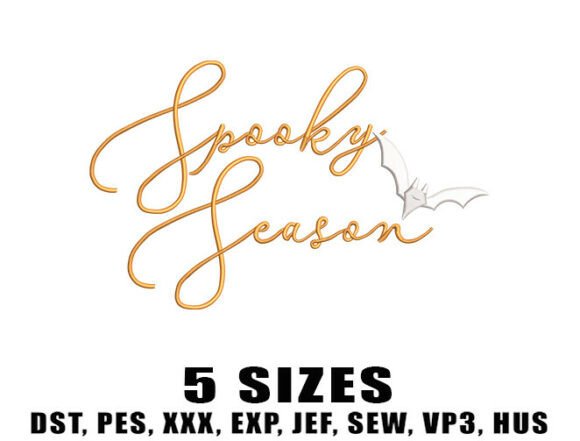
Halloween Bat Embroidery Designs represent a specific niche within digital machine embroidery that balances seasonal novelty with technical precision. For professionals, small business owners, and serious hobbyists, selecting the right digital asset is less about the festive theme and more about stitch efficiency, format compatibility, and production reliability. The "Spooky Season" bat design serves as an excellent case study in functional seasonal art. It combines an elegant, flowing script font in autumnal orange with a stylized light grey bat featuring subtle shading. This combination offers a sophisticated alternative to cartoonish or overly aggressive horror motifs, making it suitable for a broader demographic and higher-end merchandise.
When evaluating this specific Halloween Bat Embroidery Design, the primary value proposition lies in its versatility and technical readiness. The design is not merely a graphic; it is a digitized file engineered for mechanical reproduction. Understanding the interplay between the aesthetic choices—such as the warm orange thread against the grey bat—and the practical constraints of embroidery machines is essential for achieving professional results. Whether you are producing custom apparel for a fall festival, creating inventory for an Etsy shop, or personalizing home decor, the utility of this design depends on how well it integrates into your existing workflow and equipment capabilities.
Technical Specifications and Format Compatibility
A critical factor in assessing any digital embroidery file is its compatibility with industry-standard machinery. This Halloween Bat Embroidery Design is provided in a comprehensive suite of formats, including DST, PES, XXX, EXP, JEF, SEW, VP3, HUS, INF, and PDF. For professionals operating multi-brand workshops or those who frequently upgrade equipment, this breadth of support eliminates the need for third-party conversion software, which can sometimes introduce stitch errors or alter color sequencing.
- DST and PES: Industry standards for commercial Tajima and Brother/Babylock machines, ensuring reliable performance in high-volume production environments.
- JEF and VP3: Essential for Janome and Husqvarna Viking users, preserving specific stitch attributes unique to these ecosystems.
- INF and PDF: While not stitch files themselves, these supporting documents provide crucial metadata regarding color changes and thread charts, streamlining the setup process.
The inclusion of ten distinct formats suggests a digitization process focused on accessibility and user experience. For freelancers and creators managing tight deadlines during the peak Halloween season, having native file support reduces pre-production friction. It allows operators to load the design directly from USB or network transfer without risking the integrity of the stitch data through unnecessary conversions.
Size Variations and Application Flexibility
Rigidity in sizing is a common limitation in lower-quality embroidery assets. This design addresses that issue by offering five discrete size options, ranging from 3.8 inches to 7.8 inches. This scalability is vital for maintaining proper stitch density and proportion across different substrates. A design optimized for a 4-inch hoop often fails when resized to 7 inches due to insufficient underlay or excessive pull compensation; conversely, shrinking a large design can result in thread breaks and registration issues.
- Size 1 (3.8 Inch): Ideal for left-chest placements on polos, baby onesies, or sleeve cuffs where space is limited.
- Size 2 (4.8 Inch): A versatile standard size suitable for tote bags, kitchen towels, and youth apparel.
- Size 3 (5.8 Inch): Perfect for center-chest sweatshirts, pillowcases, and medium-sized wall hangings.
- Size 4 (6.8 Inch): Designed for adult garment backs, large tote bags, or decorative table runners.
- Size 5 (7.8 Inch): Maximizes hoop usage for statement pieces, jackets, or framed textile art.
Having pre-digitized sizes ensures that the relationship between the script text and the bat motif remains consistent. The elegant flow of the "Spooky Season" lettering requires precise spacing; arbitrary resizing could distort the kerning or cause the bat to appear disconnected from the text. By utilizing these preset dimensions, embroiderers can trust that the visual hierarchy intended by the digitizer remains intact regardless of the final application.
Aesthetic Analysis and Market Positioning
The visual language of this Halloween Bat Embroidery Design targets a mature audience. The choice of an elegant, flowing script font rather than a jagged or distressed typeface elevates the perceived value of the finished product. Warm, autumnal orange provides high contrast against typical fall fabrics like navy, charcoal, cream, and denim, while the light grey bat with subtle shading adds depth without overwhelming the composition. This shading technique implies a higher level of digitization skill, utilizing variable stitch lengths or density gradients to create dimension rather than relying on flat fills.
For marketers and small business owners, this aesthetic flexibility translates to wider sales potential. Unlike graphic-heavy designs that appeal primarily to children or hardcore horror enthusiasts, this refined motif fits comfortably in boutique retail settings, corporate casual fall events, and modern farmhouse decor schemes. It bridges the gap between festive and fashionable, allowing creators to produce items that customers will wear or display beyond October 31st. The balance of negative space and stitched elements also makes it easier to integrate with other design components, such as monograms or additional border patterns, without creating a cluttered appearance.
Production Considerations and Best Practices
While the digital file provides the blueprint, successful execution of Halloween Bat Embroidery Designs depends on operator expertise. The script font presents specific challenges; continuous running stitches in cursive lettering require careful attention to pull compensation. When stitching on stretchy knits or unstable fabrics like linen, using an appropriate stabilizer is non-negotiable to prevent the letters from puckering or distorting. A cutaway stabilizer is generally recommended for the larger sizes (6.8 and 7.8 inches) to maintain long-term structural integrity after washing.
The stylized bat’s subtle shading may involve thread trims or color blends that require monitoring. Operators should verify the color sequence against the included PDF or INF file before starting production runs. Testing on scrap material identical to the final substrate is always advisable, particularly when working with the smaller 3.8-inch version where stitch tolerance is tighter. Additionally, because this is a digital file and not a physical patch, users must possess both the hardware and the software knowledge to manage file transfers effectively. Those new to machine embroidery should familiarize themselves with their machine’s specific requirements for reading DST or PES files to avoid formatting errors at the hoop stage.
Assessing Value for Professional and Hobbyist Use
Determining whether this Halloween Bat Embroidery Design fits your needs requires an honest assessment of your current library and production goals. For established embroidery businesses, the value lies in time savings. Digitizing a complex script with shaded elements from scratch can take several hours and multiple test runs. Acquiring a professionally digitized, multi-format, multi-size asset allows for immediate deployment, freeing up resources for custom work or marketing. The ROI is calculated not just in the purchase price, but in the reduction of labor hours and material waste associated with in-house digitizing.
For educators, bloggers, and content creators, this design serves as reliable B-roll or tutorial material. Its clear distinction between text and motif makes it excellent for demonstrating hooping techniques, stabilizer selection, or color theory in video content. Serious hobbyists will appreciate the technical quality as a benchmark for their own projects, providing a reference point for what well-executed shading and script digitization should look like on fabric.
However, potential users should recognize the limitations. As a digital asset, there is no physical product to inspect before use. Success relies entirely on the user's ability to operate their machinery correctly. Furthermore, while the design is versatile, it is distinctly seasonal. Inventory planning should account for the short shelf life of Halloween-specific merchandise. Despite this temporal constraint, the classic nature of the bat motif and the elegance of the typography offer a longer relevance window than trend-based pop culture designs. Ultimately, this Halloween Bat Embroidery Design represents a practical, technically sound resource for those seeking to produce quality seasonal textiles with efficiency and style.