2026 Agenda Calendar - PowerPoint: Streamlining Your Strategic Planning
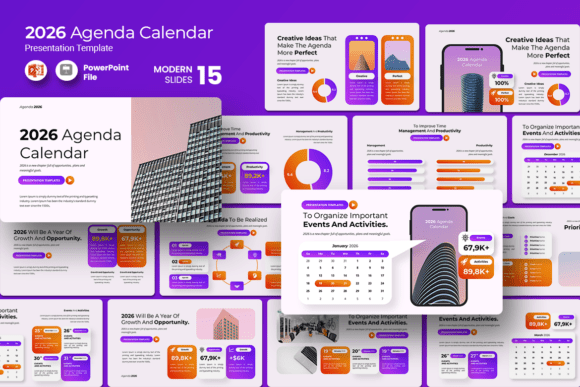
Effective planning for the upcoming fiscal year requires more than just a list of dates; it demands a visual framework that aligns team objectives, tracks milestones, and communicates strategy clearly. The 2026 Agenda Calendar - PowerPoint serves as this essential bridge between raw scheduling data and compelling strategic narrative. Designed for professionals who need to present timelines, project roadmaps, and annual goals, this resource transforms standard calendar views into dynamic presentation assets. Whether you are preparing a pitch deck for investors, outlining a marketing campaign for the next fiscal year, or organizing internal workflows, having a structured, editable template saves significant time while ensuring your output looks polished and professional.
Overcoming Common Planning and Presentation Challenges
Professionals across various industries face recurring obstacles when transitioning from planning phases to presentation modes. One of the most persistent challenges is the disconnect between operational calendars and stakeholder communication. A spreadsheet may contain all necessary dates, but it fails to convey the strategic importance of those milestones during a board meeting or client pitch. Furthermore, creating custom calendar slides from scratch in PowerPoint is notoriously time-consuming. Aligning text boxes, adjusting date grids, and maintaining consistent branding across multiple months can consume hours of valuable work time.
Another significant hurdle is adaptability. Business environments change rapidly, and static PDF calendars or rigid templates often become obsolete the moment a project timeline shifts. Teams need resources that allow for instant updates without requiring advanced graphic design skills. The 2026 Agenda Calendar - PowerPoint Template addresses these pain points by providing a fully editable foundation. It eliminates the formatting friction that typically derails presentation preparation, allowing users to focus on content accuracy and strategic messaging rather than pixel-perfect alignment. By solving the dual problems of visual appeal and functional flexibility, this tool supports agile planning methodologies in corporate, creative, and startup environments.
How the Template Enhances Workflow and Communication
The primary value of the 2026 Agenda Calendar - PowerPoint lies in its ability to standardize visual communication while remaining flexible enough for diverse use cases. Because the template includes 15 unique slides per set, users are not limited to a single monthly grid view. This variety allows presenters to zoom in on specific quarters, highlight key event dates, or display an annual overview depending on the audience's needs. The inclusion of drag-and-drop image placeholders further enhances utility, enabling teams to associate visual context with specific dates. For example, a product launch date can be paired with a prototype render, or a conference date can include venue photography, making the agenda more memorable and engaging.
Customization is central to the template’s effectiveness. With fully editable text, shapes, and colors, organizations can maintain strict brand compliance without hiring a designer. Changing the color scheme to match corporate identity takes seconds, ensuring that the calendar feels like an integrated part of the company’s broader presentation ecosystem. Additionally, the use of free fonts removes licensing barriers and compatibility issues, ensuring that the file opens correctly on any device. This technical reliability is crucial for collaborative teams where files are shared across different operating systems and software versions. The 16:9 aspect ratio ensures compatibility with modern display standards, from conference room projectors to virtual meeting screens.
Practical Applications Across Different Sectors
Versatility is a defining characteristic of the 2026 Agenda Calendar - PowerPoint. While the core function is scheduling, the application varies significantly based on user intent. Creative agencies and portfolios often utilize these templates to map out content calendars, campaign rollouts, or exhibition schedules. For these users, the aesthetic quality of the slides is as important as the data they contain. The clean, modern design helps showcase creativity while demonstrating organizational competence to prospective clients.
In corporate and business settings, the template serves as a strategic alignment tool. Department heads can use the slides to synchronize cross-functional teams, ensuring that marketing, sales, and product development are working toward shared quarterly goals. Startups frequently leverage these agendas in pitch decks to demonstrate roadmap clarity to investors. Showing a well-structured 2026 timeline signals maturity and foresight, helping to build trust during fundraising rounds. Educational institutions and non-profits also benefit from this resource, using it to plan academic years, fundraising events, or community outreach programs. In each scenario, the template acts as a visual anchor that keeps complex schedules digestible and actionable.
Tailoring the Resource to Specific User Needs
Different users will approach the 2026 Agenda Calendar - PowerPoint with distinct priorities, and understanding these nuances maximizes the tool's ROI. Project managers should focus on the milestone-tracking capabilities, using custom slides to flag dependencies and critical path items. They might replace standard imagery with Gantt chart snippets or status indicators to create a hybrid planning view. Marketing professionals, conversely, should prioritize the visual storytelling aspects, using image placeholders to create mood boards alongside campaign dates. Their goal is to inspire stakeholders while informing them.
For executive assistants and administrative professionals, efficiency is paramount. These users should take advantage of the master slide functionality to apply global changes across all 15 slides simultaneously. Setting up corporate colors and logos once at the master level prevents repetitive formatting tasks. Freelancers and consultants can use the template as a value-add deliverable, including a customized 2026 agenda as part of their retainer packages to help clients visualize engagement timelines. Regardless of the role, the key to success is treating the template as a starting point rather than a final product. Users should feel empowered to delete unused slides, duplicate essential layouts, and restructure content to fit their specific narrative flow.
Implementation Tips and Best Practices
To get the most out of the 2026 Agenda Calendar - PowerPoint, users should adopt a few implementation best practices. First, always verify date accuracy before populating the template. While the structure is pre-built, ensuring that holidays, leap years, and fiscal quarters align with your specific organizational calendar is a necessary manual step. Second, establish a naming convention for duplicated slides to keep the file organized, especially when managing multiple versions for different departments or clients. Third, leverage the shape editing tools to create visual hierarchies; using color coding for different types of events (e.g., deadlines vs. meetings vs. holidays) improves readability at a glance.
It is also important to remember that images are not included in the main PPTX file. Users should prepare a folder of high-resolution, royalty-free assets before beginning customization to streamline the drag-and-drop process. When presenting, avoid overcrowding slides with too much textual detail. The agenda should serve as a high-level guide, with detailed notes kept in the speaker notes section or supplementary handouts. Finally, save a master copy of the unedited template. This ensures you always have a clean baseline for future projects, preventing the accidental carryover of previous edits or broken links. By following these guidelines, the 2026 Agenda Calendar - PowerPoint becomes more than just a scheduling aid; it evolves into a cornerstone of professional communication and strategic execution.